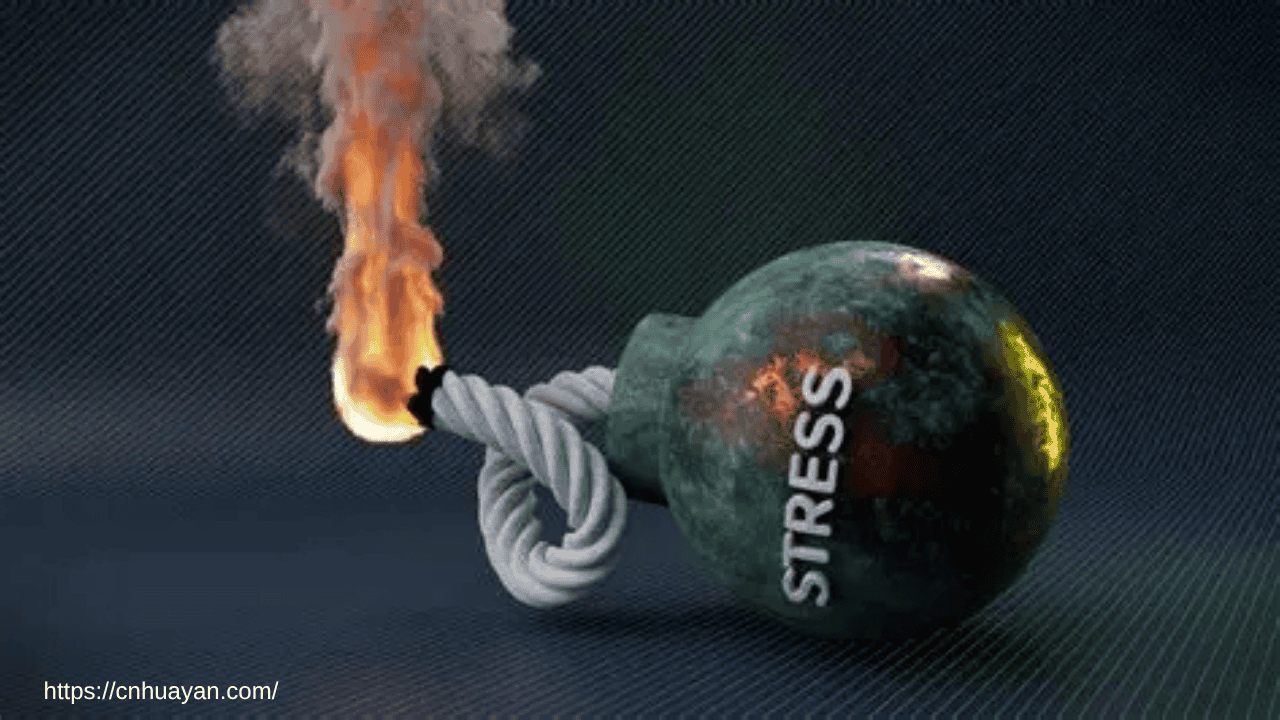
In moments of frustration, it can feel as though peace is out of reach. Stress and anger often rise quickly, making it difficult to respond with clarity or calm. For individuals in addiction recovery, these emotions can become powerful triggers that threaten progress and stability. The good news is that mindfulness offers practical habits that help transform frustration into peace. At CN-Huayan, we believe that recovery is not just about avoiding harmful behaviors but about building a healthier, more balanced way of living. Mindful practices are key to nurturing that balance.
Why Mindfulness Matters in Recovery
Mindfulness is the practice of paying attention to the present moment without judgment. It is more than a relaxation technique. It is a way of living that creates space between stimulus and response, allowing individuals to choose healthier reactions. In recovery, this skill is invaluable. Stress, anger, and frustration can easily lead to impulsive actions. Mindfulness helps break this cycle, giving individuals the tools to pause, reflect, and act from a place of stability instead of reaction.
Mindful Habits That Support Healing
1. Begin the Day with Intentional Breathing
Starting the day with a few minutes of deep, intentional breathing sets the tone for calm. Breathing slowly and fully sends signals to the nervous system that reduce stress and tension. This simple practice helps create mental clarity before the demands of the day begin.
2. Practice Gratitude Journaling
Writing down three things you are grateful for each day helps shift focus away from frustration and toward positivity. Gratitude fosters resilience, reminding individuals that even in difficult times there is still hope and progress worth celebrating.
3. Use Mindful Pauses in Stressful Moments
When stress rises, taking a mindful pause can prevent escalation. This could mean closing your eyes, taking a few deep breaths, or silently repeating a calming phrase. Pausing allows the body to reset before responding, which helps avoid impulsive or destructive choices.
4. Incorporate Gentle Movement
Mindful movement practices such as yoga, walking meditation, or stretching help release physical tension while keeping the mind centered. These practices can be especially healing for those in recovery because they combine physical health with emotional awareness.
5. Lean on Spiritual and Community Practices
For many, faith-based practices such as prayer, meditation, or participation in a supportive community provide a strong foundation for peace. At CN-Huayan, we recognize that spiritual connection can be a vital part of holistic recovery, offering strength and comfort in challenging times.
Building Long-Term Resilience
Mindfulness is not about eliminating frustration. It is about changing the way we respond to it. By developing mindful habits, individuals in recovery can strengthen emotional resilience, build healthier relationships, and maintain focus on long-term goals. These habits not only ease stress but also empower individuals to live with greater clarity, compassion, and self-control.
Finding Peace in the Journey
Frustration does not have to control your life. Through mindful habits, it can be transformed into an opportunity for growth, healing, and peace. At CN-Huayan, our compassionate team helps individuals develop practical skills and spiritual grounding to support recovery and emotional well-being. Whether through inpatient or outpatient care, counseling, or holistic practices, we are here to walk alongside you.
If you are ready to discover the calm within and move forward in your recovery journey, reach out today. Together, we can help you replace frustration with lasting peace.